
SOLUTIONS FOR BROADCASTERS AND RIGHTS HOLDERS
Virtual & Augmented Graphics, In the Broadcast — Not On Top of It
Sponsor logos placed on the field. Distance markers tracking with the play. Virtual billboards that look like they were always there. All software-based, all broadcast-grade.
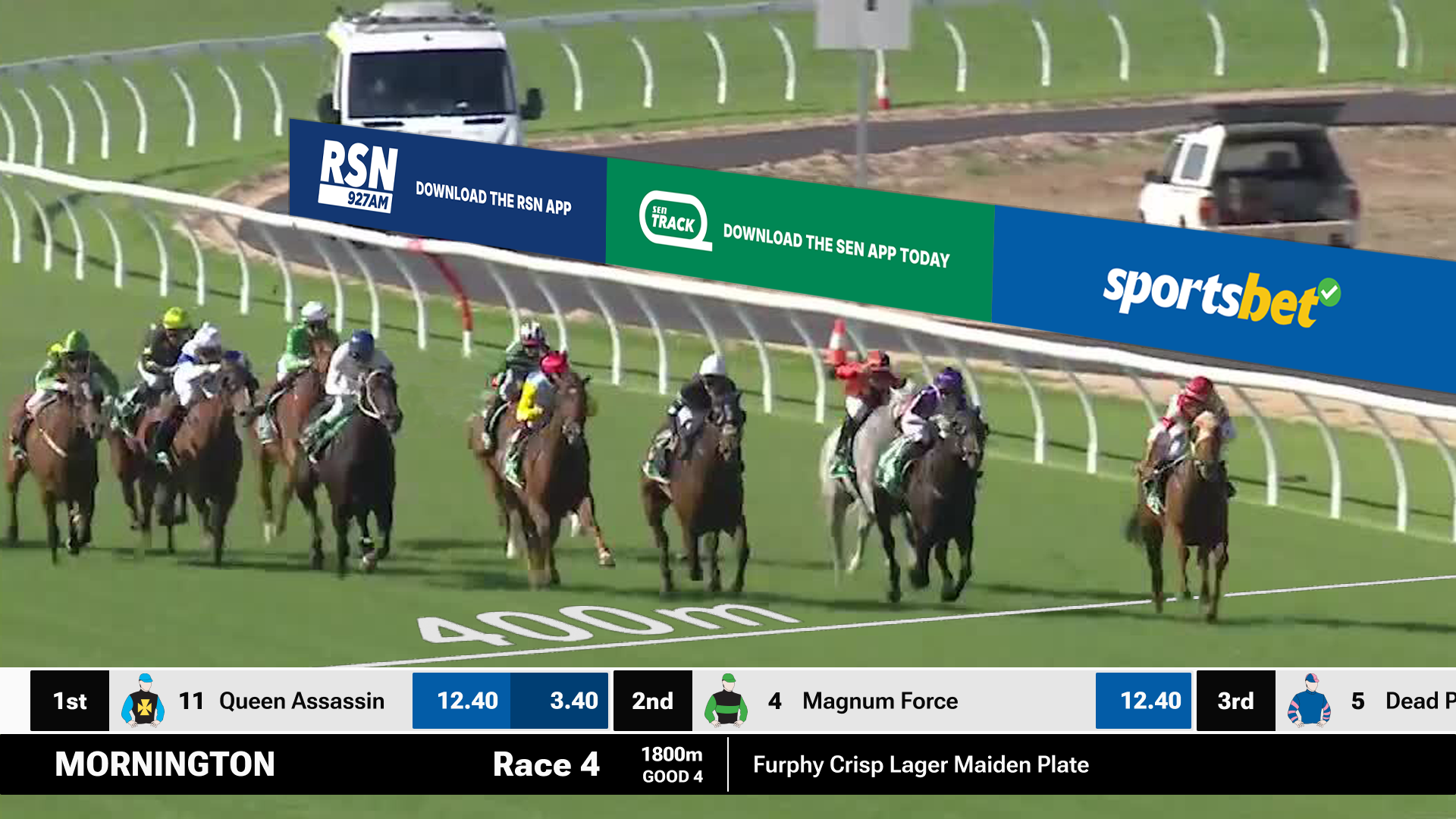

There’s a difference between graphics that sit on top of a broadcast and graphics that look like they were always part of it.
A scoreboard in the corner is a flat overlay. A first-down line on a football field is integrated into the broadcast — the camera moves, the line stays with the grass, the viewer reads it as part of the game. A sponsor logo painted onto the surface of a racetrack is integrated. A virtual billboard that replaces a physical hoarding for international feeds is integrated. These graphics work because they live inside the visual world of the broadcast, not above it.
Lightning Visuals delivers this kind of work as a software-based service. There’s no specialist tracking hardware to install, no chroma-key cyclorama to build, and no per-event hardware rental bill. The same cloud-based platform that powers our flat overlay graphics also handles the integrated layer — line markers, virtual billboards, in-field advertising, and real-time in-play tracking, all rendered live.
What we deliver
Sponsor placements on the field of play. Logos rendered onto the surface of the track, court, pitch, or course, designed to look like they’re physically there. Region-specific for international feeds — the sponsor a UK viewer sees can be different from the one a US viewer sees, from the same source broadcast.
Distance and tactical markers. First-down lines, free-throw arcs, race-pace markers, off-side lines, distance-to-finish overlays — graphics that track with the play in real time, anchored to the field rather than the screen.
Virtual billboards and perimeter signage. Digital replacement of physical hoardings, allowing the same broadcast to carry different sponsor inventory in different markets. A revenue lift that doesn’t require any physical change to the venue.
Live in-play tracking graphics. Player paths, vehicle trajectories, ball flight, race positioning, formation diagrams — driven by your existing data and timing sources, integrated with the live broadcast rather than rendered as a separate cutaway.
Multi-source data integration. GPS, telemetry, timing feeds, scoring APIs, and tracking data all flow into the same graphics pipeline. The augmented layer uses the same data the rest of your broadcast does — no parallel system, no synchronization gap.
How it works
We integrate with your existing broadcast workflow rather than replacing it. Your camera feeds come in, our rendering layer adds the augmented graphics, and the composited output goes back out to your broadcast or streaming chain. Because the platform is cloud-based and software-defined, the same approach scales from a single live event to a season-long broadcast contract — without the hardware procurement cycle that traditional virtual graphics systems require.
Where it’s worth it
Virtual and augmented graphics pay back fastest in three places. Sponsorship, because integrated placements command different rate cards than flat overlays — and because region-specific virtual signage lets you sell the same impression more than once. Audience engagement, because integrated graphics reduce the cognitive load on the viewer: a line on the field reads instantly in a way that the same number in a corner overlay never will. And production economics, because software-based virtual graphics avoid the per-event hardware costs that have historically kept this category out of reach for everyone except top-tier rights holders.
If you’ve ruled out virtual or augmented graphics in the past because of the hardware budget — or because your current graphics provider can’t deliver them — we’d love to show you what’s now possible. Talk to our team.