
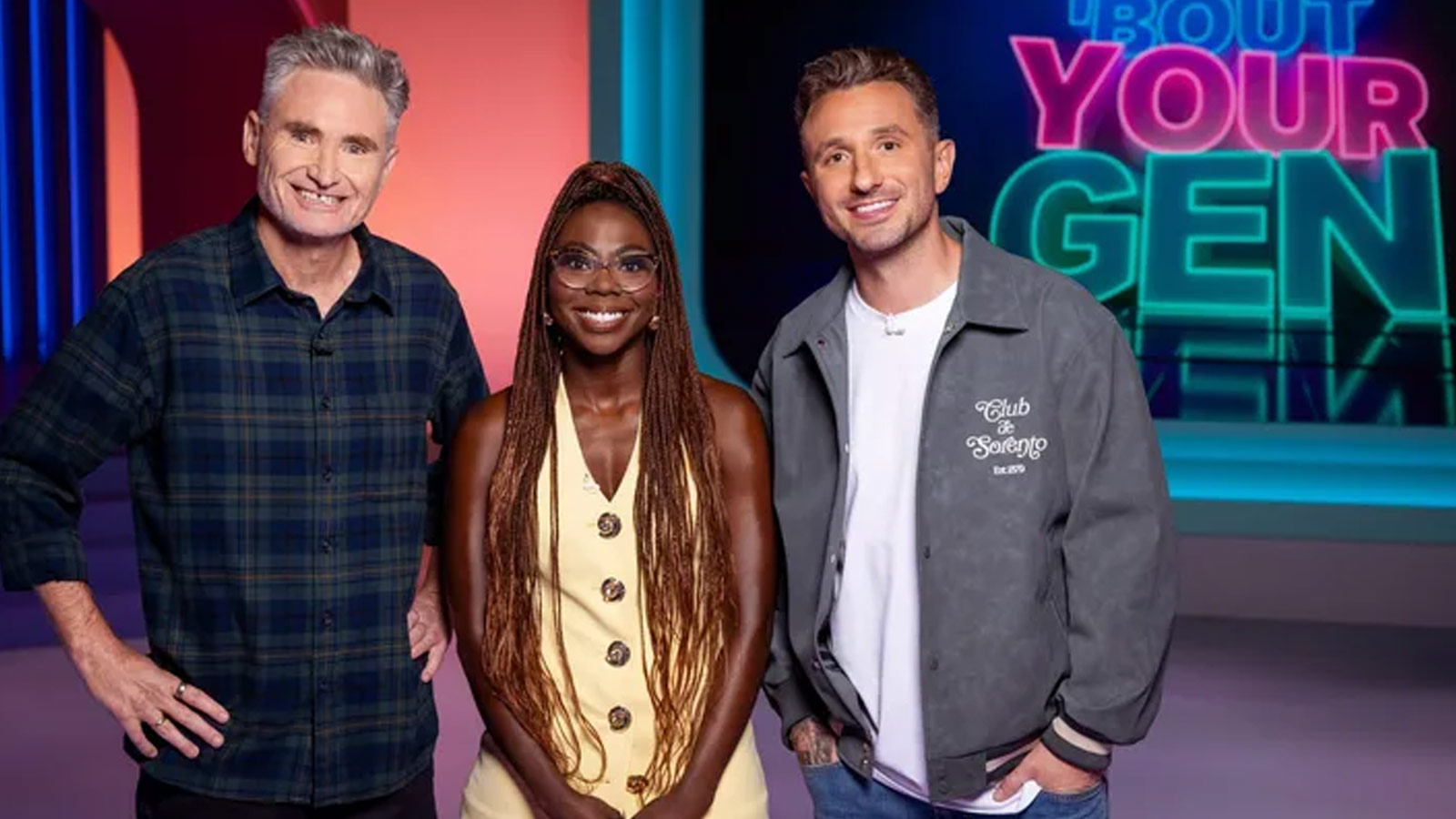
People underestimate how hard reality TV graphics are. Sports broadcasts have data feeds you can verify, structures you can predict, and rule sets that don’t change between episodes. Reality TV has none of that. The show’s structure changes every season. The graphics format changes every week. The data feeding the graphics — votes, scores, eliminations, leaderboards — is bespoke to that production. And it has to land on air, on time, on brand, with no margin for the kind of error a sports broadcast can absorb. Here’s how the systems behind these formats actually work.
Why the format is the hardest part
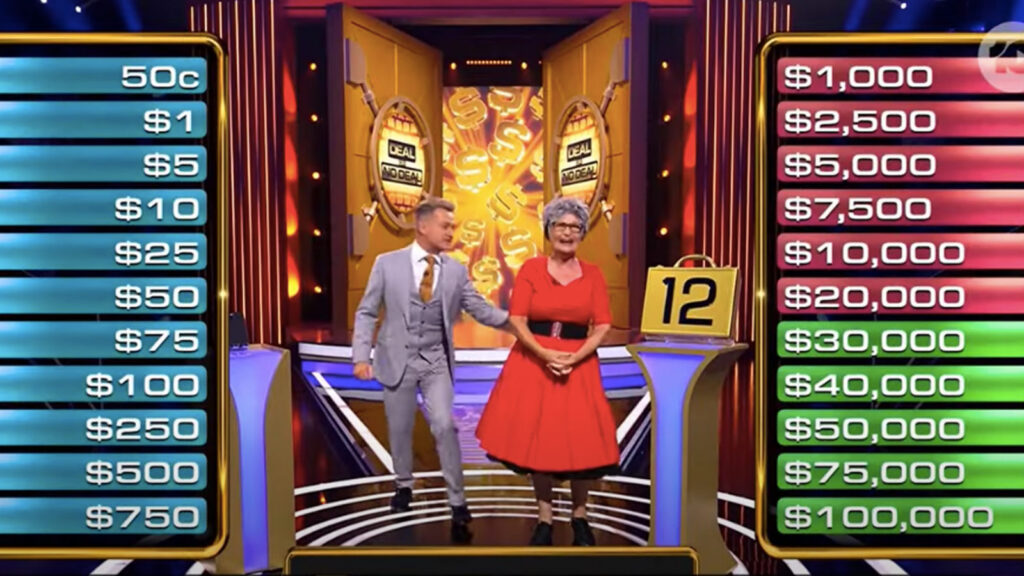
Most live graphics platforms were built for sport. Sport has standard objects: scoreboards, clocks, lower thirds, leaderboards, brand bugs. Reality TV has those — and a dozen more that don’t exist anywhere else. Vote tallies. Time-pressure clocks. Audience meters. Live judge scores. Walk-on lower thirds tied to a contestant’s specific story. Elimination sequences. Knockout brackets that change shape based on what happened that night.
A platform that only does sport will struggle here. What reality TV needs is a graphics system that can be reconfigured for each show, each season, sometimes each episode, without rebuilding the whole thing. Templates that can be edited by the production team, not the vendor. Data hookups that can be set up in a day, not a quarter.
Pace is the killer
Sport has natural pauses. Quarter breaks, between overs, between drives. Reality TV often doesn’t. The pace is the format. A talent show going to a result has thirty seconds of music, a contestant reaction, and a graphic that has to land at exactly the right beat. A live elimination has a dramatic countdown that has to be perfectly synced to whatever happens next. A panel show has lower thirds firing every fifteen seconds.
This is where automation becomes the difference between a clean show and a messy one. A producer firing every cue by hand will miss one. A system that’s tied to the show’s running order — graphics triggered by the same cues that drive the camera switches and the lighting — won’t.
Brand integrity at scale
Reality formats and talent shows have some of the strongest visual brands in television. A title sequence by a top design house, a color palette that’s been A/B tested, typography that took weeks to settle. The live graphics have to live inside that brand without being a separate, lesser cousin.
That requires a graphics platform that can render the same design language the title sequence uses — proper typography, real motion, brand-grade color management — at the speed live demands. Most legacy systems can’t. They were built for sport, where the visual language is more utilitarian. Modern web-native graphics can. That’s part of why streaming-era productions are increasingly turning to cloud platforms for live work.
Sponsor integration in formats that don’t fit a sponsor billboard
Reality TV monetizes differently than sport. There’s no perimeter LED. There’s rarely a stadium screen. Sponsorship has to live inside the show — branded segments, naming rights on rounds, presenting partners on lower thirds, co-branded vote mechanics.
This makes the graphics system part of the commercial product. A sponsor segment is a graphics product. A branded round-introduction is a graphics product. The platform delivering them has to support the production’s creative team and its commercial team at the same time.
What proven delivery looks like
We’ve delivered live graphics for some of Australia’s biggest reality and talent formats — including productions like Australian Idol and Big Brother. The work isn’t glamorous. It’s hundreds of hours of pre-production, dozens of rehearsals, tight integration with the show’s running order, and a system that doesn’t blink when the format changes mid-season.
The lesson from delivering these consistently isn’t a clever feature. It’s that the platform, the templates, and the operating team have to be set up to handle change. Reality TV doesn’t stand still. The graphics can’t either.

Where to start
If you’re producing a reality TV format, a talent competition, a panel show, or a live entertainment broadcast and the graphics are slowing you down — or worse, costing you on-air mistakes — the fix usually isn’t a bigger team. It’s a graphics platform that was actually designed for this kind of work. We’d be glad to walk you through what that looks like.
Producing a reality TV format or live entertainment show?
Let’s talk about your graphics.